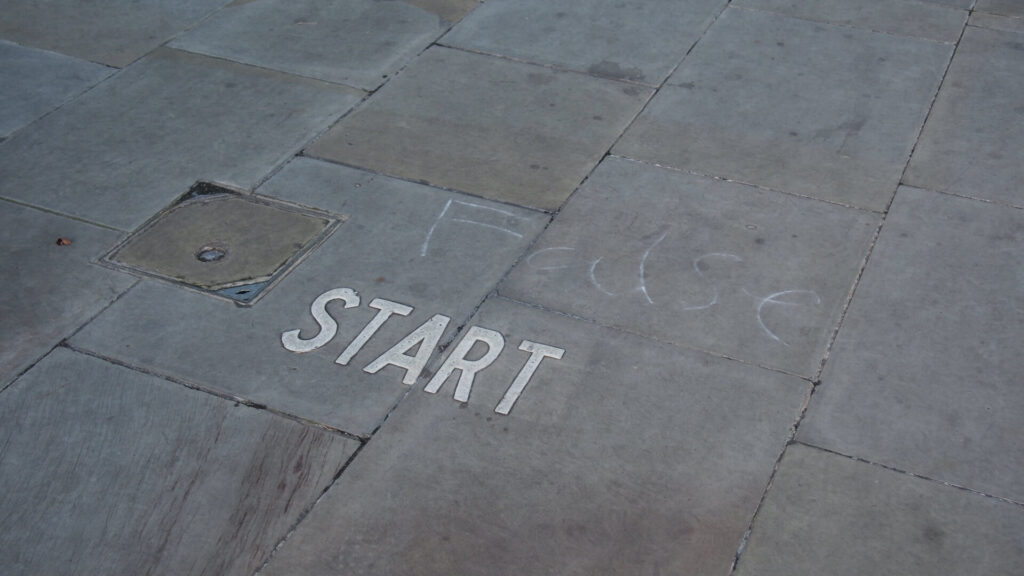
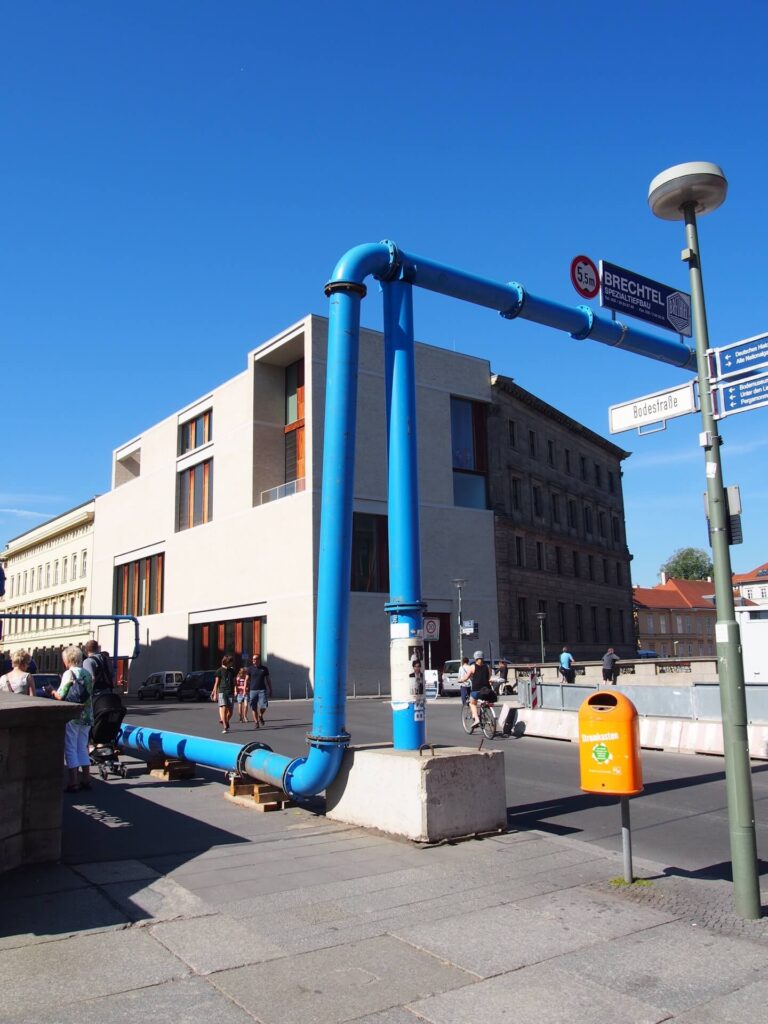
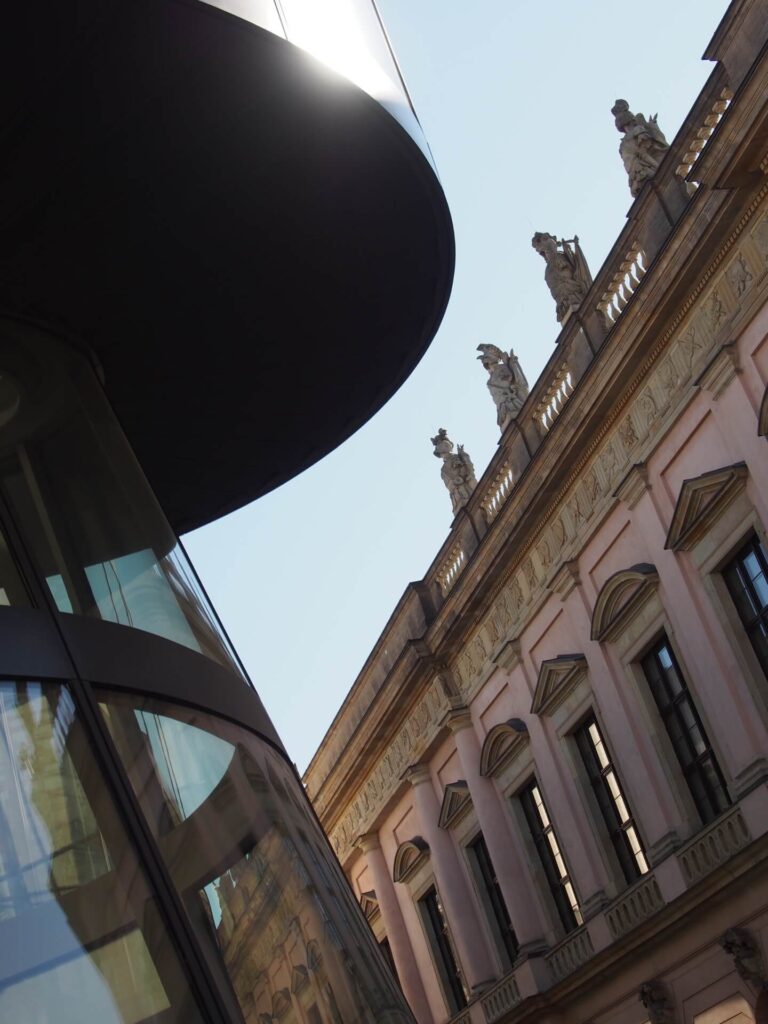
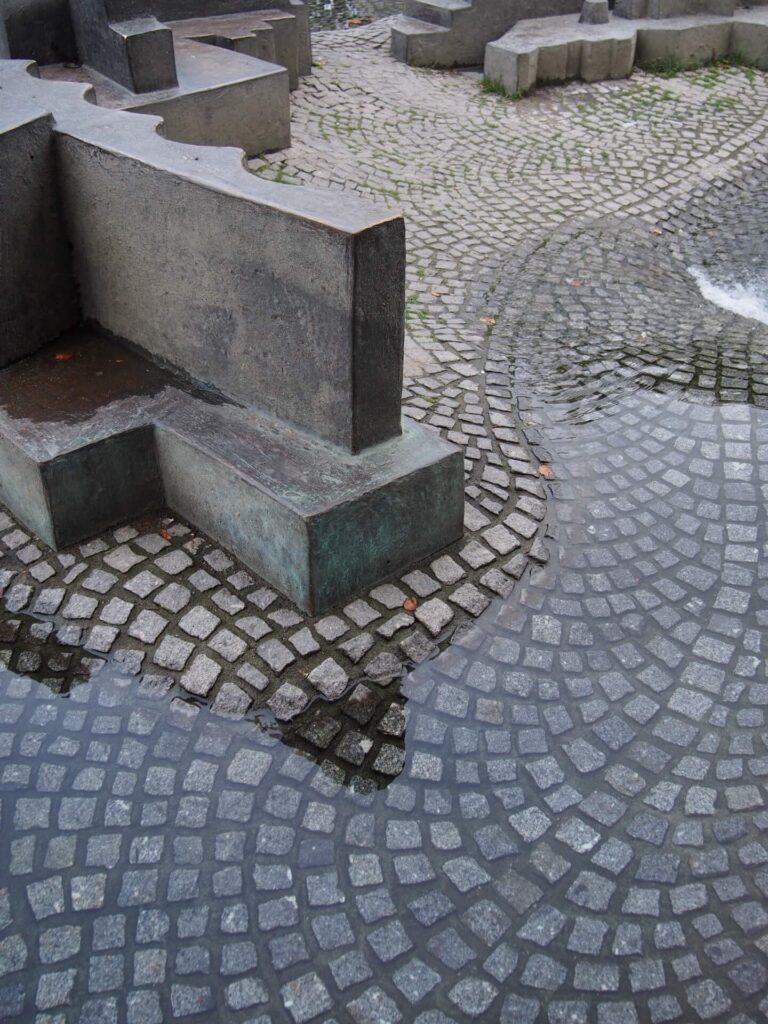
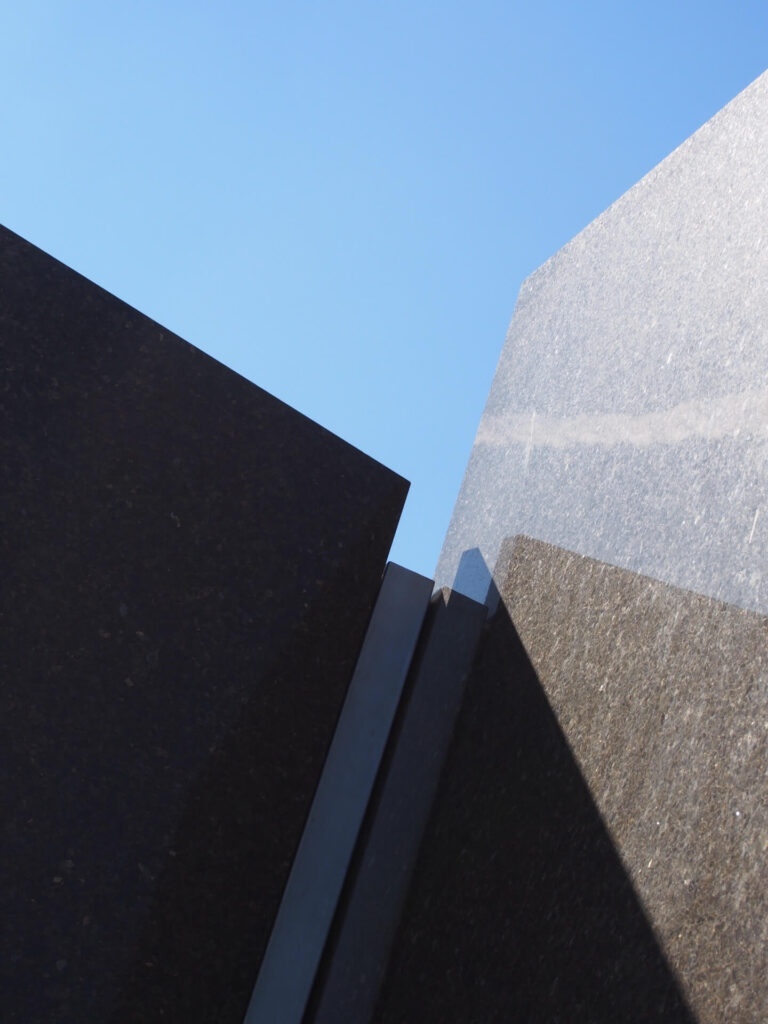
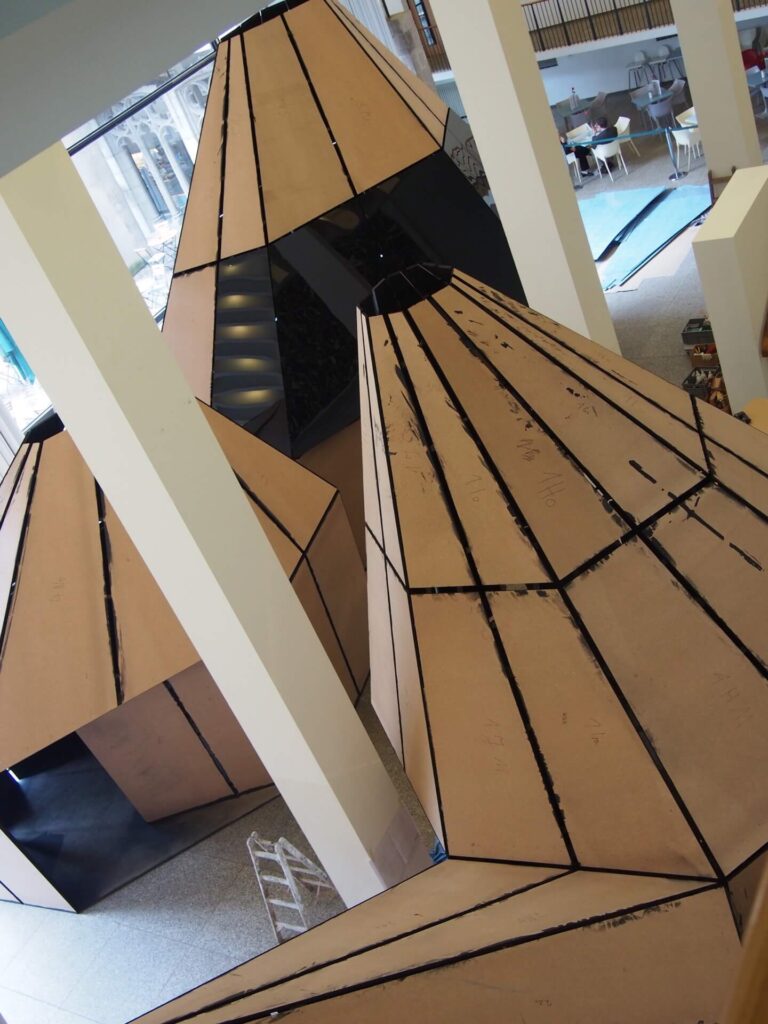
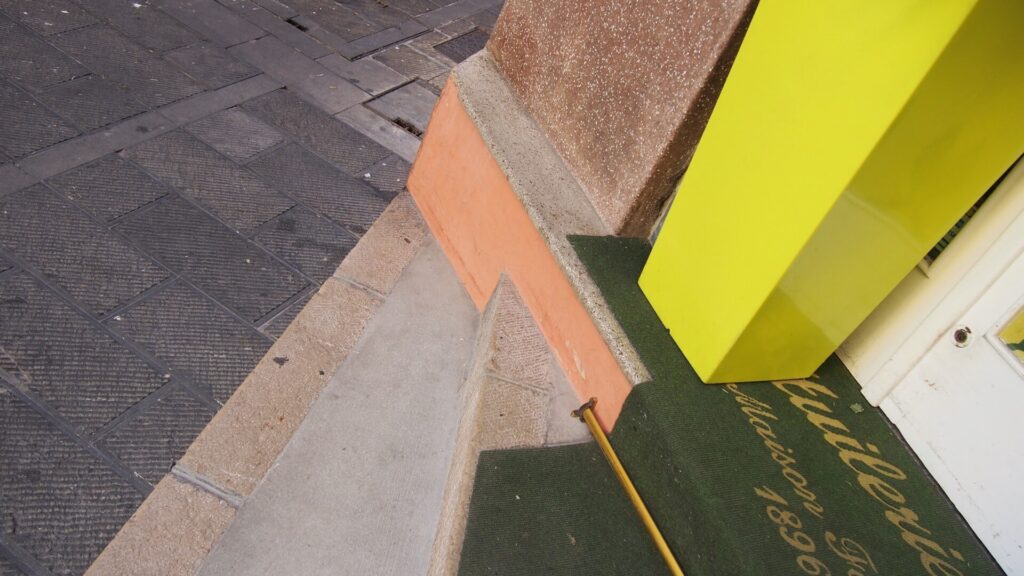
Looking back through the images to find the beginning. I think it all started on the big train trip to Amsterdam/Berlin/Cologne in the summer between 2nd year and 3rd year (2013). When I started to take photographs that were less about recording distinct things and more about noticing arrangements and the intersection of textures, angles and light. For the next year these pictures felt like swatches or sketches – reference points for other work, snippets of things I wished to remember or use in something else.
But there were always a few images that stood out for me, that were complete and perfect in and of themselves. These were the ones that I felt worked as compositions, as works of art that I created. But I never showed them like that. They stayed in my camera, on my computer, printed out in my research but never on their own.
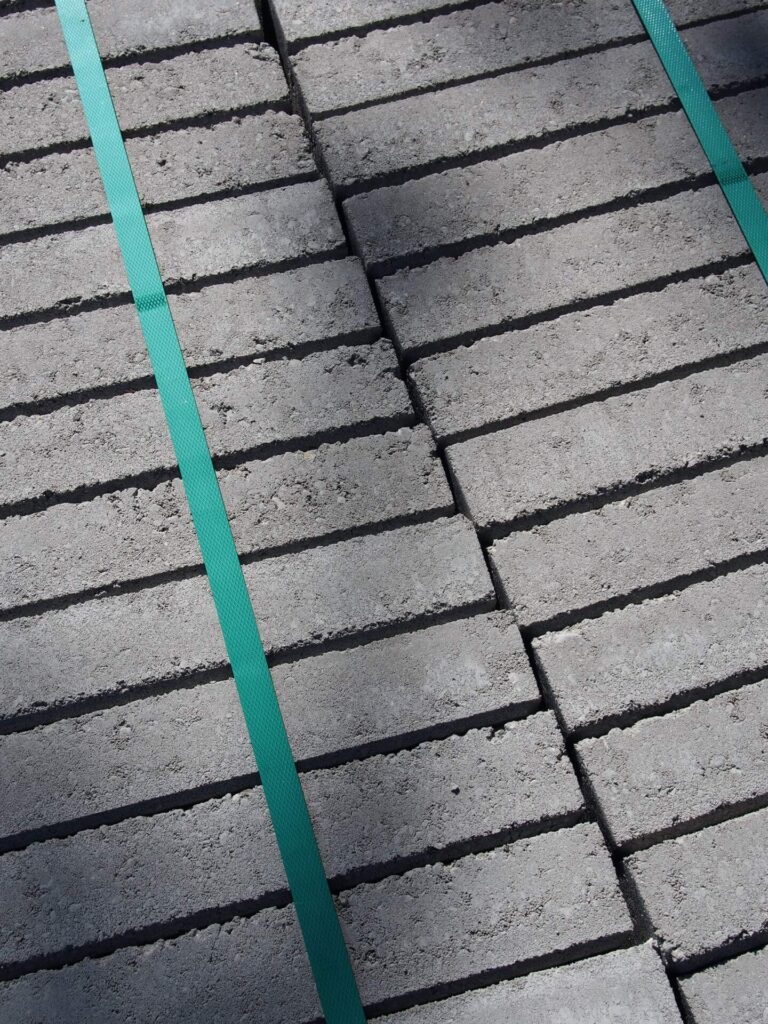
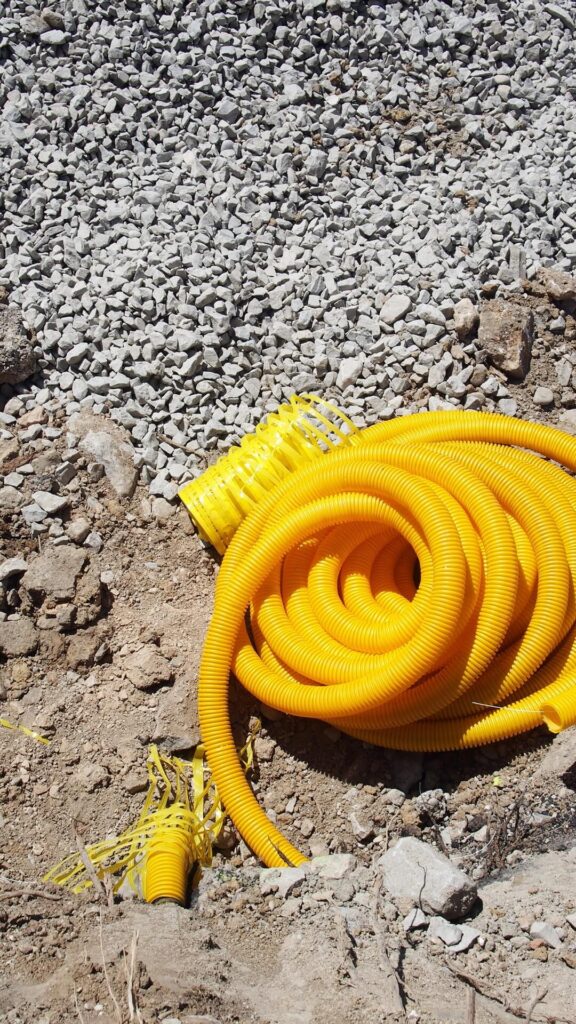
Post graduation (2014), and freed from the constraints of having to justify every piece of creative work, every impulse, the photography became a bit looser. Pictures taken on the fly, with my phone. The more carefully composed collages became portraits of stuff. Piles, mostly. Stacks and towers of building materials, waiting beside trenches or cleared areas, behind metal fences.
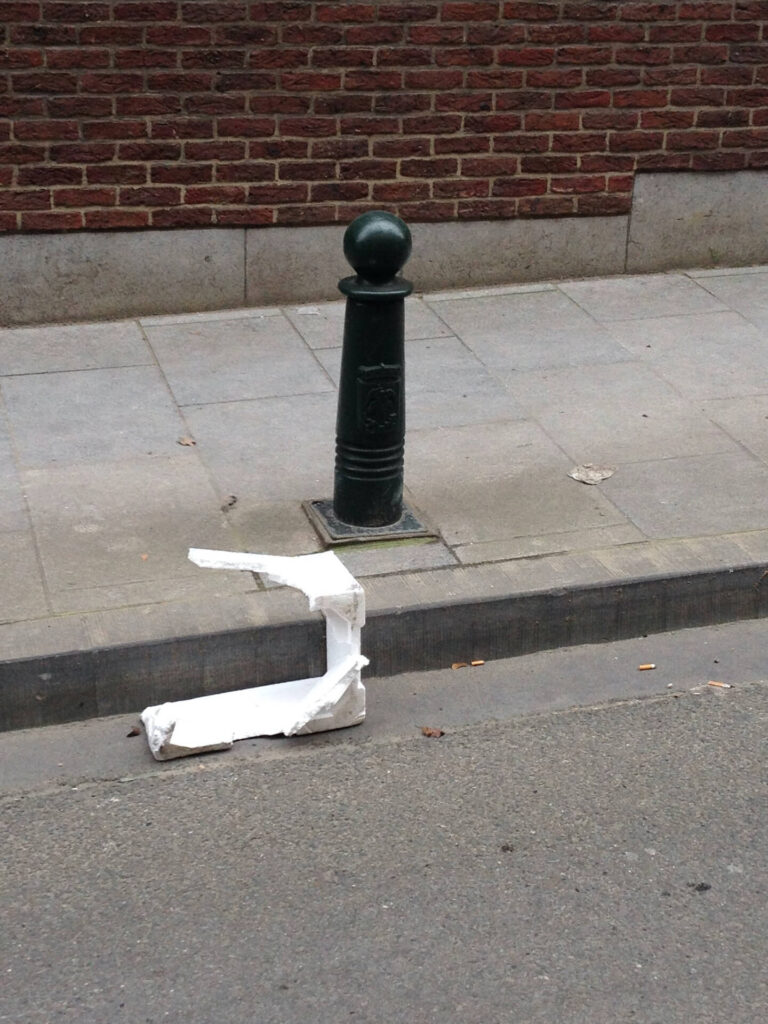
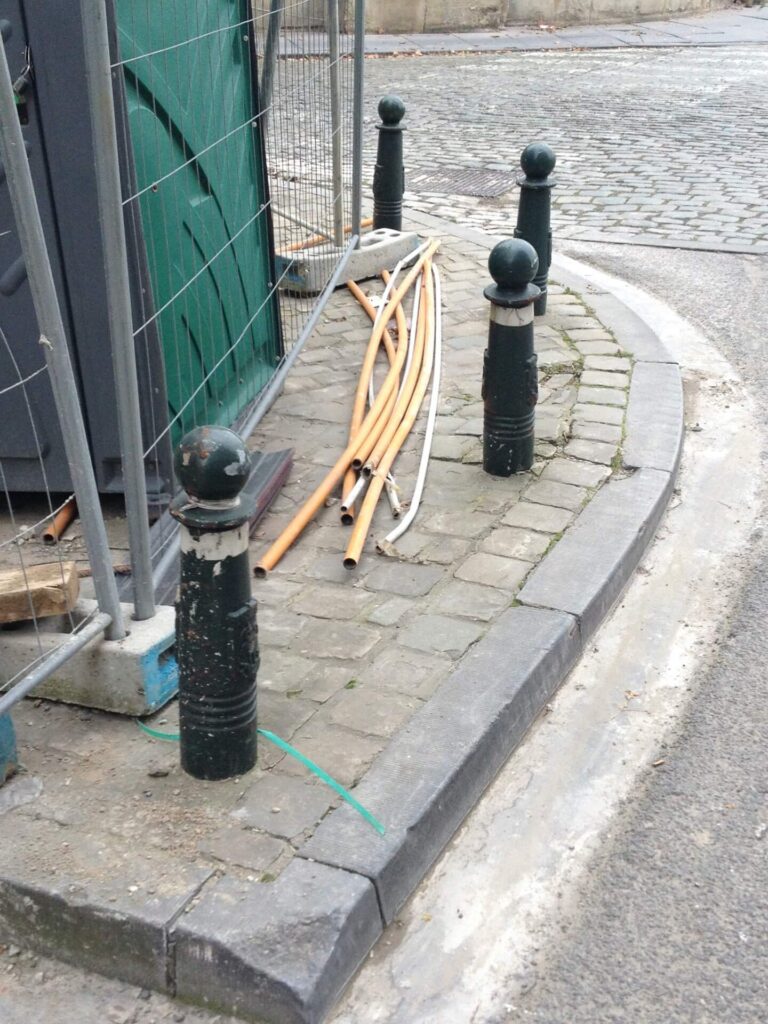
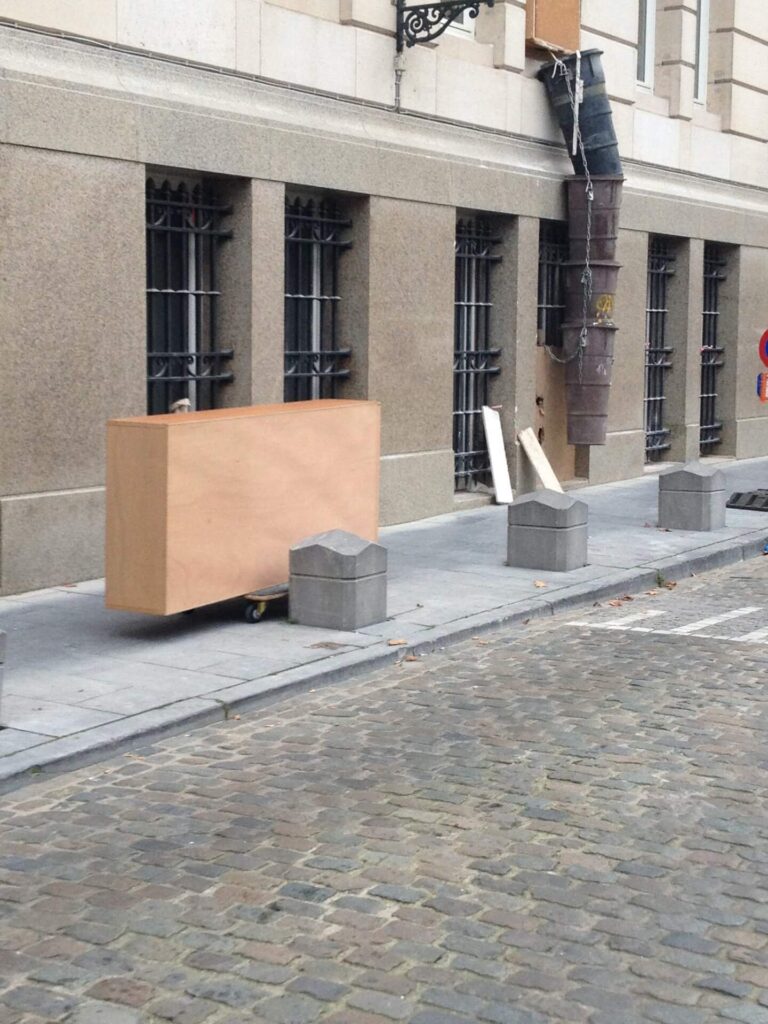
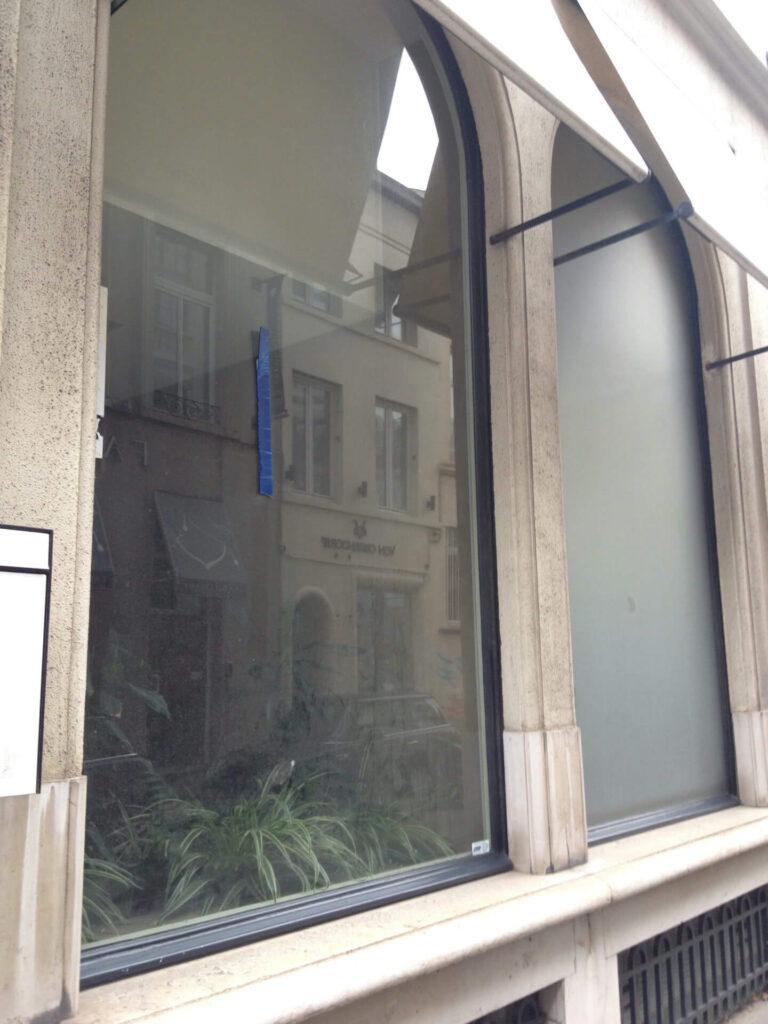
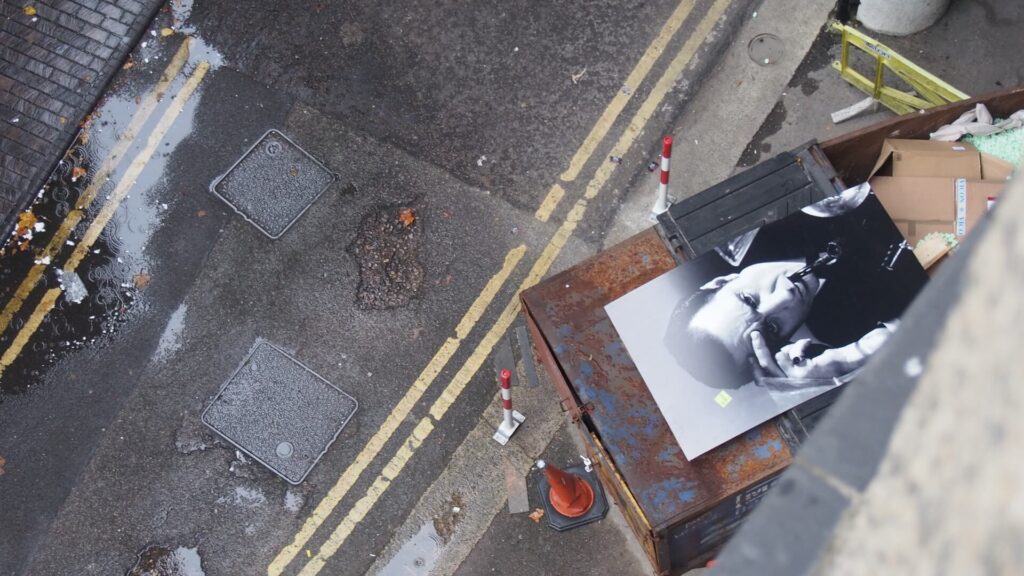
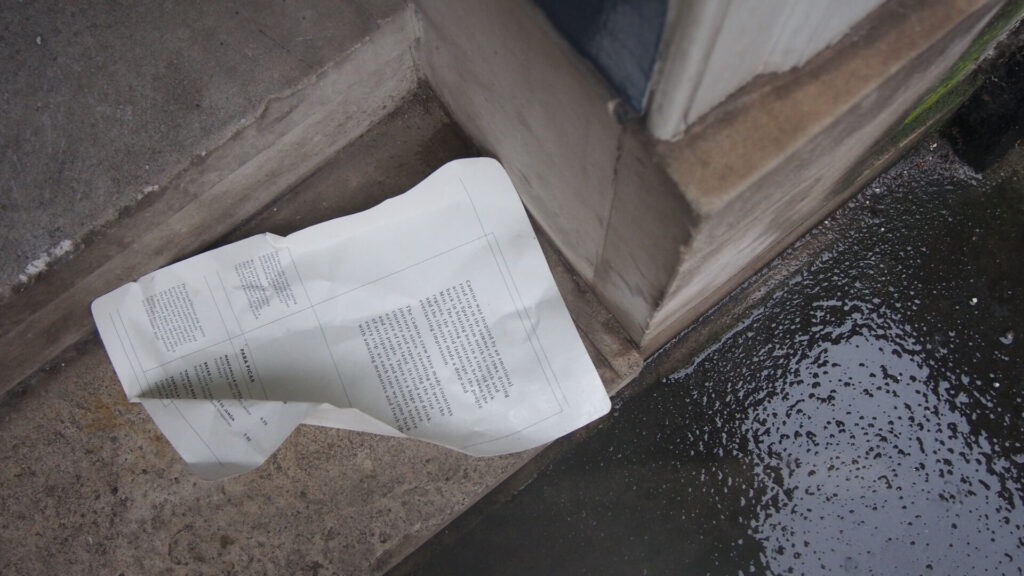
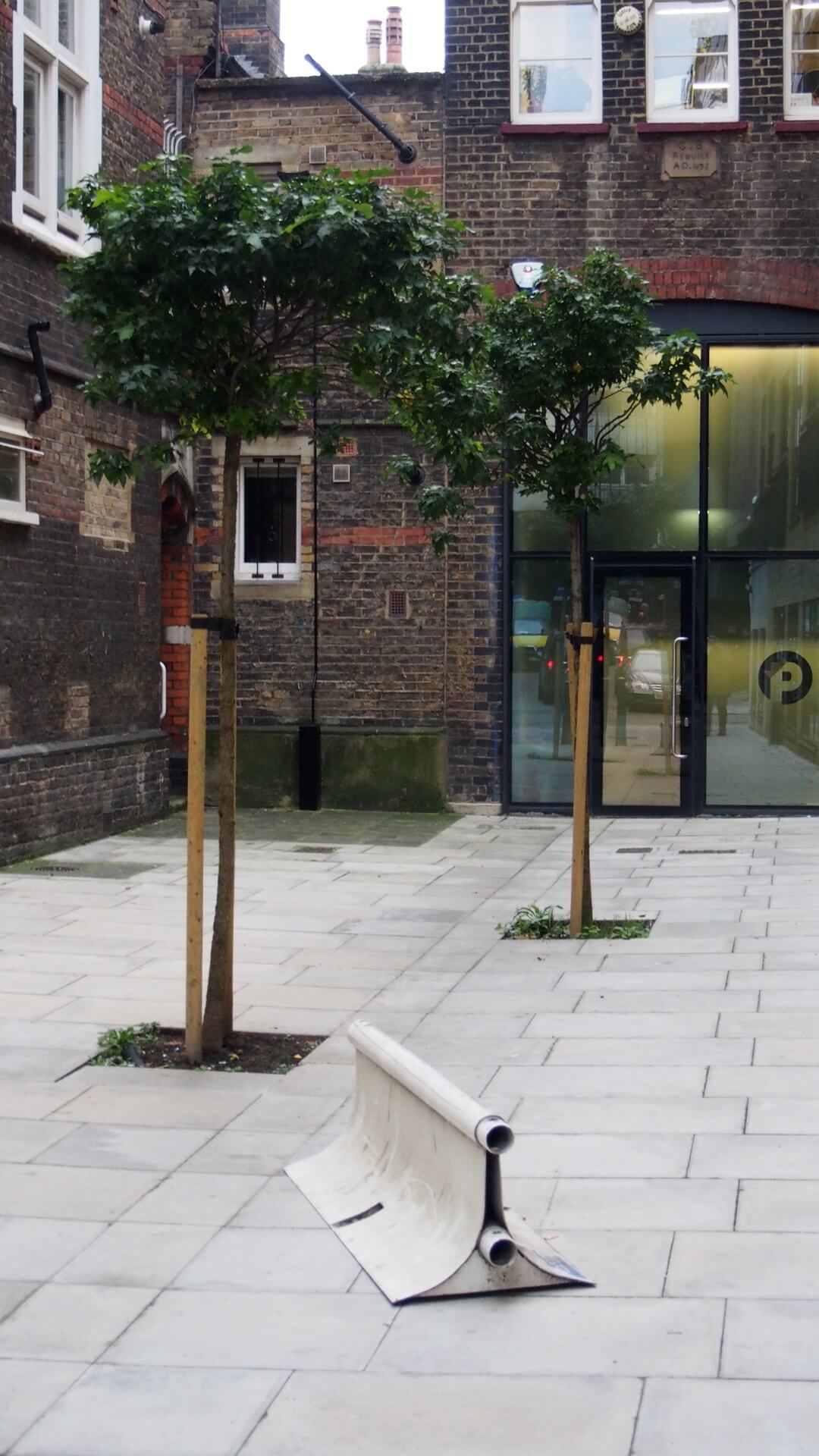
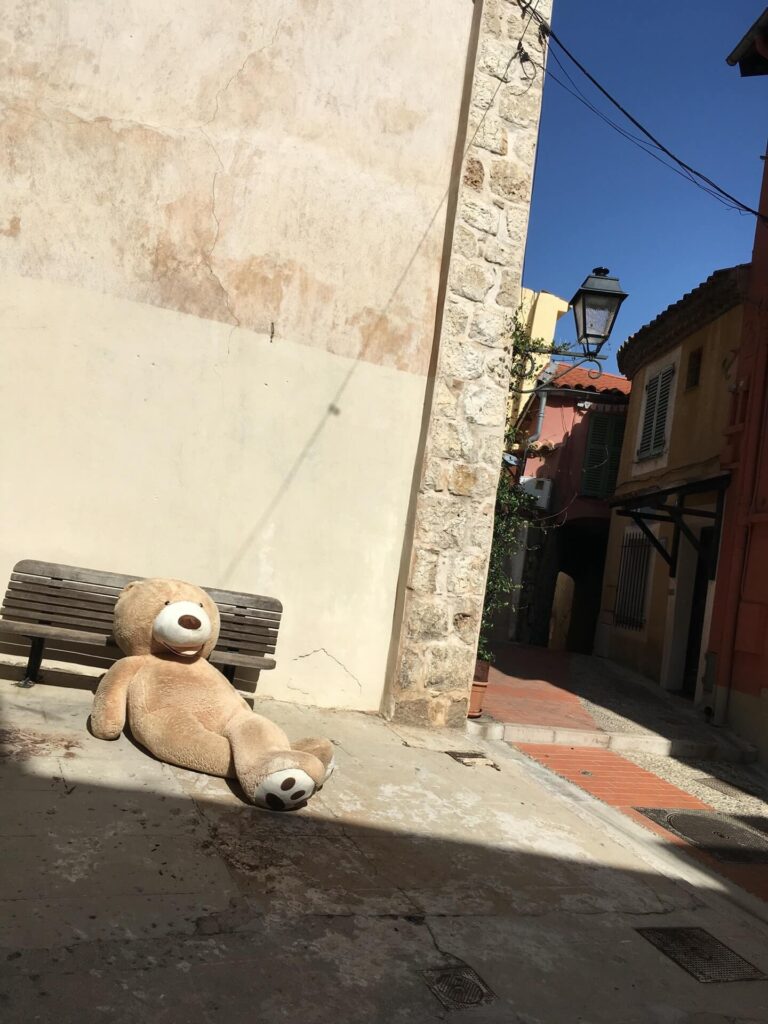
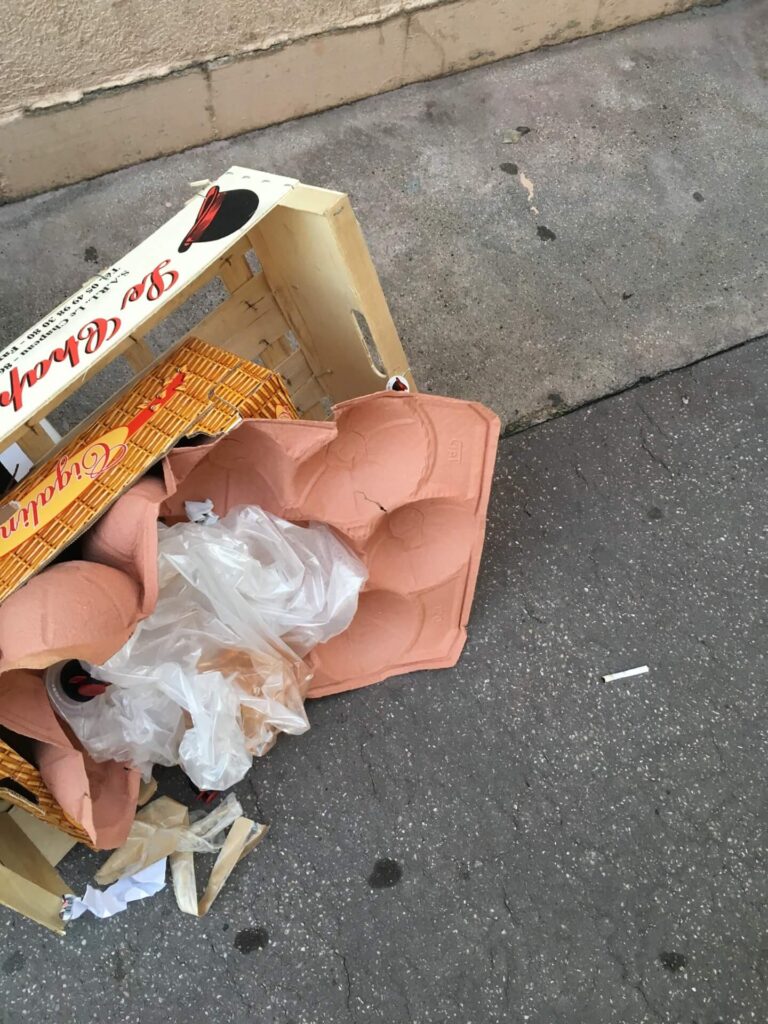
Then, on a day trip to Brussels when I had only a few hours to wander, I caught on camera a series of images that changed how I felt about what I was photographing. These things weren’t so much piles of building materials but random pieces of rubbish and detritus left on the streets. But their casual discarding had an elegance to it, so much that they felt like installations to me.
I began to collect images that I called ‘ordinary stuff or installation art’ and I was on the look-out for these moments. They were more than the careful setting out of building supplies, that you would expect in an urban environment; they were unexpected and surprising. But once captured they looked like they could have been deliberate.
At the RCA (2015) I shoe-horned all of this thinking into my research on fragments and I’m not sure it felt natural together. The ‘installation’ shots weren’t so comfortable around the images of traces or fragments of stuff, although I was able to explain how they fit. But it’s at this time that some of my favourite images were taken, the work I am happiest with. Serendipitous moments that I could not plan, but which felt like they were just waiting for me to notice.
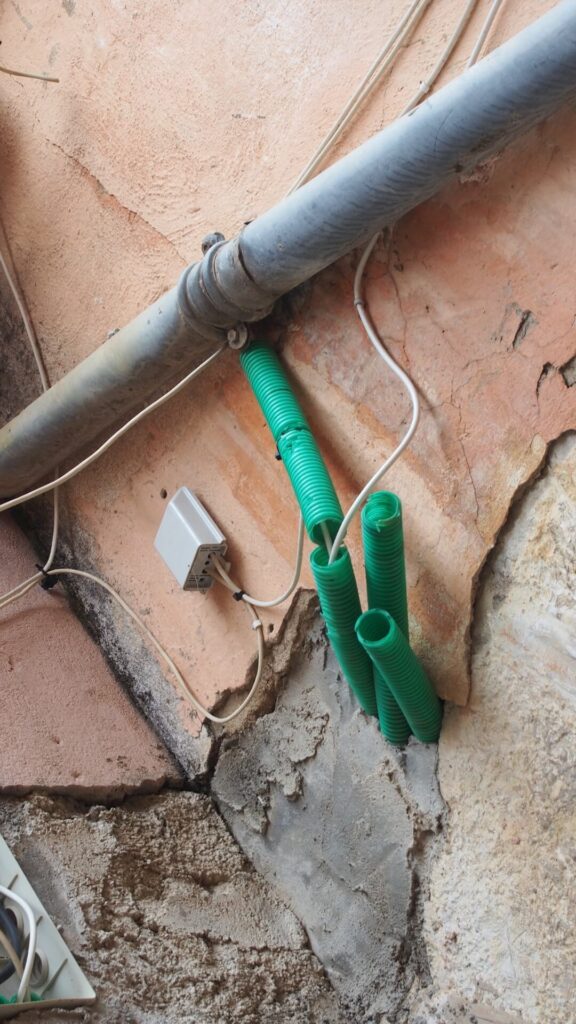
What I find interesting is that since I stopped my research in 2016 the photography has stopped too. At least in a considered, with my proper camera, way. I still snap things with my phone and I find that I have returned to a more casual approach to noticing the materiality of stuff, and how it interacts, the quality of colour and light, as well as composition. These images still work for me. They are still noticing stuff that already exists in the world and framing it, claiming it. But somehow something is still not right, in a way I can’t articulate because I think it might have to do with intention vs attention. These pictures come from my attention to a place, but I am not sure they stem from my intention to ‘see’ a place in the same way as the work of my BA or MPhil.
This work has been composting for over 10 years. After abandoning my MPhil it all felt too painful to think about, my sense of self too tied up in it all. My creative work, in this form, dried up. But the ideas and the attention remained, unable to find a way out. I wrote most of the text above in 2018 for a collaborative project that didn’t go anywhere. Another thwarted attempt to re-examine what had occurred.
I’d like to be able to do something with the work I didn’t have the confidence to share before. I’d like to acknowledge the importance of selecting and highlighting, of noticing and sharing. I’d like to keep investigating my compulsion to work with found objects, rubbish and ordinary stuff. Why I feel more comfortable with existing objects than in creating new ones.
But I also know I don’t know what this would look like. I do not believe I am ready to call any of this ‘work’ or part of a ‘practice’. So for now they will be brought back into the light and examined, shared here on my blog. I am noticing a really strong urge to dredge the archive and exhume things I thought were buried and forgotten, mostly to see what still feels alive. Perhaps understanding this will help me figure out what comes next.
This process feels messy and incoherent. There will be spiralling back and forth in time, as I write/re-write/co-write with my past self and new ideas. Words from before, during and after the events that precipitated my disconnection from my official creative practice will mingle with reflections I have now. I am not sure if this is a grief-tending practice in action, an autobiographical exercise or just catharsis. I have no doubt it will be sporadic and often look abandoned. What it feels like, most of all, is a commitment to the parts of me that long to be creative that have lost something along the way. And a refusal to continue to hide those parts in the shadows, and ignore the toll it’s taken on me.
This post is part of a series I’m calling archive exploration where I revisit things from my creative practice archive to make sense of them in my current contexts.